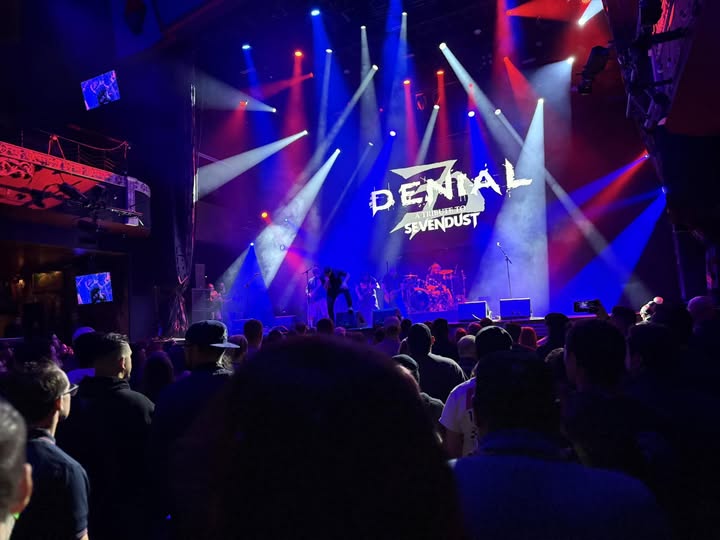
Walk into almost any bar, casino lounge, or local music venue on a Friday or Saturday night and you’ll notice a familiar pattern: the room is full, the crowd is singing along, and the band onstage is playing songs everyone already knows. More often than not, it’s a cover band or a tribute act. Meanwhile, original bands—writing, recording, and pouring their souls into new music—are often playing to smaller crowds, struggling to get paid, or fighting to justify their existence in the same marketplace.
This isn’t a knock on cover or tribute bands. Many are incredibly talented, professional, and hardworking. But the imbalance raises an important question: why do cover and tribute bands thrive while original bands fight an uphill battle?
The answer lies in economics, psychology, culture, and how live music has evolved.
Familiarity Is a Safer Bet
At the core of the issue is risk—or rather, the avoidance of it.
Venue owners, promoters, and bar managers are not in the music business; they’re in the hospitality business. Their goal is to sell drinks, keep people inside longer, and ensure predictable revenue. A band that plays songs the audience already loves is a safe investment. People don’t need to be convinced to enjoy “Don’t Stop Believin’” or a faithful AC/DC set—they’re already sold.
Original music, on the other hand, asks something of the listener:
- Attention
- Openness
- Patience
In a bar environment—where music often competes with conversation, alcohol, and distraction—that’s a big ask.
Tribute Bands Sell an Experience, Not Just Music
Tribute bands go a step further than covers. They don’t just perform songs—they sell nostalgia and identity.
A good tribute band lets the audience relive a moment in time:
- The band they grew up with
- The concert they never got to see
- The soundtrack of their youth
That emotional shortcut is powerful. The audience already knows what they’re getting, and the venue can market the night easily: “Alice In Chains Tribute – This Saturday!” No explanation required.
Original bands can’t offer that instant connection. They’re asking audiences to invest in something new, with no guarantee of payoff.
Audiences Have Changed How They “Support” Music
There was a time when discovering new bands was part of the culture. You went out specifically to see music. Today, many people go out to be entertained, not challenged.
Social media and streaming have also blurred the line between consuming and supporting music. Clicking “like,” watching a clip, or adding a song to a playlist feels like participation—but it doesn’t translate to:
- Buying tickets
- Showing up early
- Paying a cover
- Staying for a full original set
Ironically, original bands often have strong online engagement but weak real-world turnout. Cover bands and Tributes may have fewer followers but packed rooms.
Original Bands Carry All the Risk
Original bands shoulder a heavy load:
- Writing and rehearsing new material
- Recording and production costs
- Promotion and marketing
- Building an audience from scratch
All of that effort is often met with lower guarantees, door deals, or “exposure” instead of real pay.
Cover and tribute bands skip much of that uphill climb. The product is already validated. The songs are already hits. The audience already exists.
From a business standpoint, it’s not hard to see why venues choose the path of least resistance.
The Catch-22 of Original Music
Here’s the cruel irony:
Original bands need exposure to build a following—but they need a following to get exposure.
Venues want bands that draw. Audiences want bands they recognize. Promoters want proof of turnout. Somewhere in the middle, original artists are left trying to prove their worth in a system not designed to nurture them.
This doesn’t mean original music is dying—but it does mean it’s being pushed into fewer, more intentional spaces: listening rooms, ticketed shows, festivals, and niche communities.
Why Original Bands Still Matter
Despite the struggle, original bands are essential. They are the source. Every tribute band exists because an original band once took the risk to write something new.
Without original artists:
- There is no next generation of songs
- No evolution of sound
- No cultural movement
Original music doesn’t survive because it’s easy. It survives because it’s necessary.
The Choice Belongs to All of Us
Cover and tribute bands aren’t the enemy—they’re a reflection of what the market rewards. If we want original bands to thrive, it requires a shift not just from venues, but from audiences.
Supporting original music means:
- Showing up even when you don’t know the songs
- Paying the cover
- Buying the merch
- Staying for the full set
Because the truth is simple: original bands don’t fail due to lack of talent—they struggle due to lack of support.
And whether we’re musicians, venue owners, or fans, the future of live music depends on which side of that equation we choose to stand on.
Dee Stiff
“Disclosure: I play in a local original band and experience this scene firsthand.”