I recently had an interesting conversation with a fellow musician that sparked a bigger question—one that a lot of original artists are quietly asking right now.
Original acts are struggling to land gigs.
Tribute bands, on the other hand, are thriving.
The question he posed was simple, but loaded:
“Is the audience stuck in a state of nostalgia?”
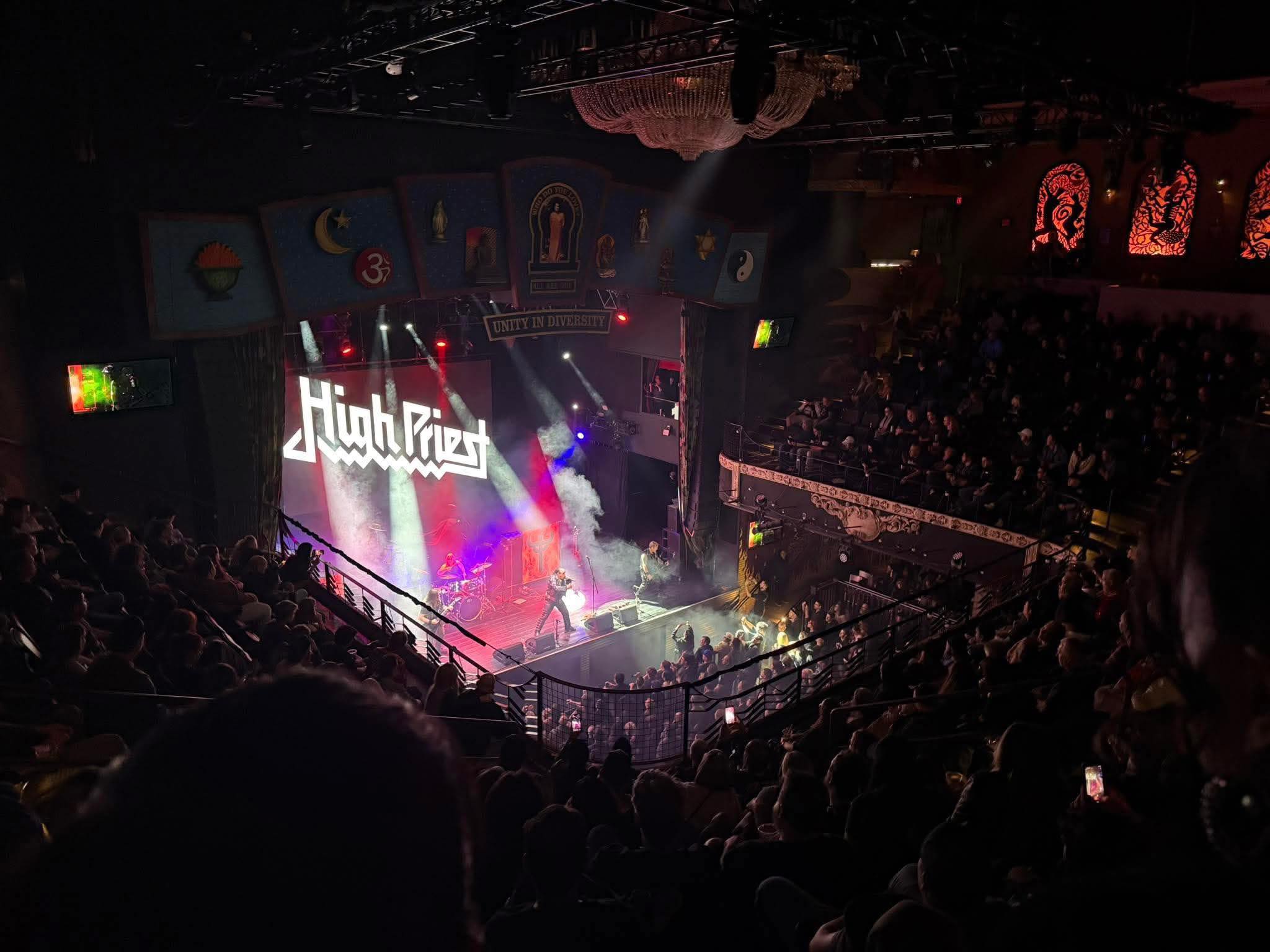
It’s hard to ignore the trend. More and more people are going out to see tribute bands. More and more venues are actively booking tribute shows. Entire nights are now built around recreating the sound, look, and energy of bands from decades past.
And if I’m being honest—I get it.
When I see a band paying tribute to one of my favorite artists, it triggers something familiar. It brings back memories of the first time I saw that band live. Buying the concert T-shirt that somehow still lives in my closet. That date with someone I had a crush on. The first time I stayed out a little too late at a show. My first mosh pit experience… and my last.
Music has a powerful way of anchoring us to moments in our lives, and nostalgia taps directly into that emotional memory.
But here’s the real question:
Why has nostalgia become the only thing people seem willing to leave the house for?
When Nostalgia Makes Sense
There are absolutely cases where tribute bands make perfect sense. If the original band no longer tours—or no longer exists—then a tribute show can be the closest thing to reliving that experience. That’s understandable. It fills a gap.
Even when the band is still active, there are valid reasons people choose a tribute instead. Maybe the real band isn’t coming to your city. Maybe tickets are out of reach. Maybe the show sold out instantly. Or maybe you just love the songs so much that you don’t care who’s playing them—as long as you can hear them live.
Those arguments are fair.
The Bigger Disconnect
What’s harder to understand is this:
Why are tribute bands drawing hundreds of people, while local bands—especially original acts—are often only pulling in friends, family, and other musicians?
These are talented artists. They’re writing new music. They’re rehearsing, investing money, hauling gear, promoting shows, and trying to build something meaningful. Yet the audience response is minimal compared to a tribute night playing songs everyone already knows.
That’s where nostalgia really comes into play.
Nostalgia is comfortable.
It’s predictable.
It doesn’t ask anything new of the listener.
When you buy a ticket to a tribute show, you already know every song. You know when to sing along. You know when the big moment is coming. There’s no risk involved. No unfamiliar sounds. No chance you won’t “get it.”
Original music, by contrast, requires participation. It asks the audience to listen, to feel, to engage with something they haven’t already decided they love.
And that’s a harder sell.
The Cost of Living in the Past
There’s nothing wrong with nostalgia. It’s part of what makes music powerful. But when nostalgia becomes the default choice, something gets lost.
Scenes stop growing.
New voices struggle to be heard.
Venues become museums instead of incubators.
Every legendary band we now celebrate was once an original act playing unfamiliar songs to skeptical crowds. If audiences had only shown up for what they already knew, many of those bands would never have made it past their local scene.
The irony is that today’s tribute bands are celebrating artists who benefitted from audiences willing to take chances.
So Where Does That Leave Us?
This isn’t an attack on tribute bands. I’m actually a member of one myself. They clearly serve a purpose, and many of them have incredibly talented musicians from original bands. But, this is about balance.
If we want live music to have a future—not just a past—audiences have to be willing to support what’s being created now, not just what already exists in memory.
Nostalgia may get people through the door.
But curiosity is what keeps a music scene alive.
And without that curiosity, we risk turning live music into nothing more than a reenactment of moments that already had their time.
Go see an original band!
Dee Stiff
“Disclosure: I play in a local band and experience this scene firsthand.”